
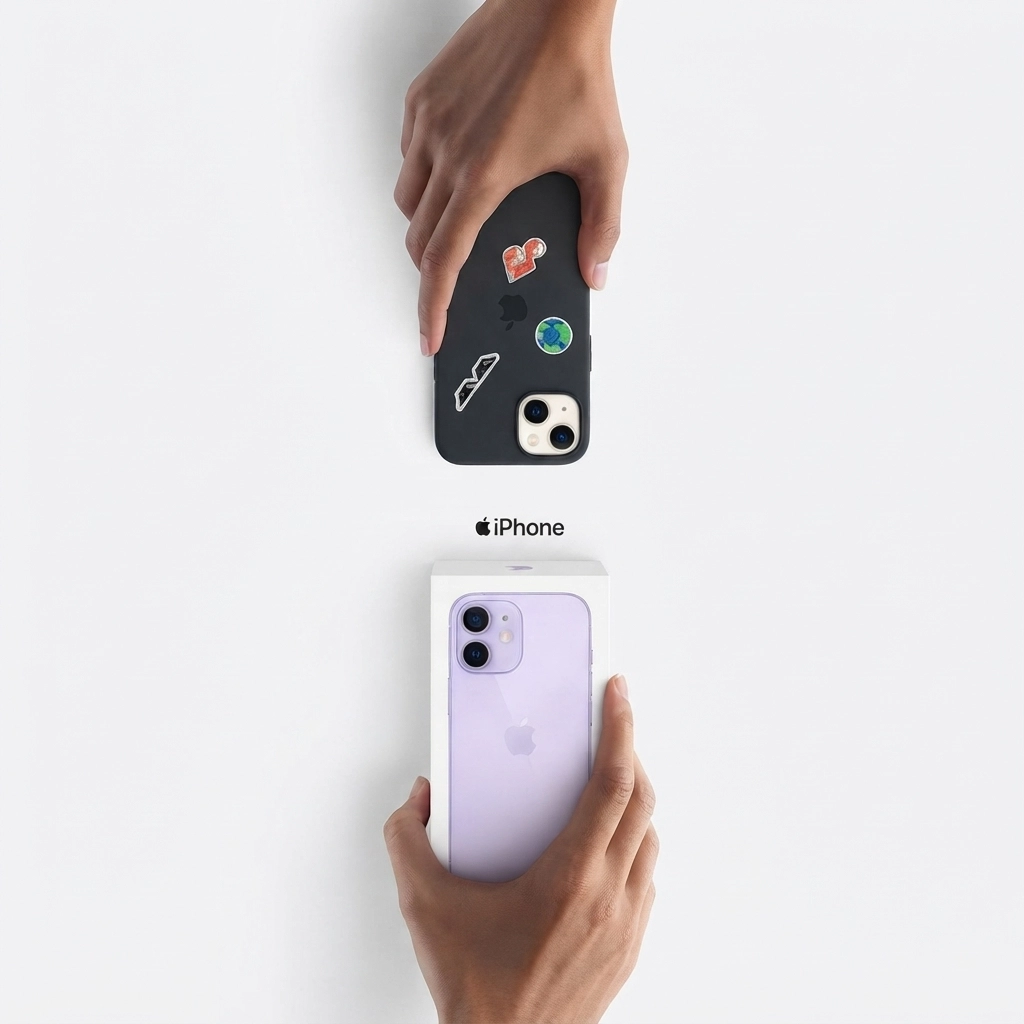
How to Prepare Your Phone for Trade-In Before Upgrading?
Planning to trade in your phone before upgrading? A little preparation can save you from two frustrating problems: losing access to important personal data and receiving less for your device than expected. Whether you're trading in an iPhone, Samsung Galaxy, Google Pixel or another Android phone, the basic process is similar.
Before handing your old phone over, you should back up your information, check your accounts, remove your SIM or transfer your eSIM, assess the device's condition and complete a proper factory reset. It's also worth checking whether repairing any damage first would actually increase the phone's trade-in value enough to justify the cost.
Here's what to do before your old phone leaves your hands.
1. Back Up Your Important Data
Start by creating a current backup. This is arguably the most important step because once the phone has been traded in, getting your personal information back can be extremely difficult or impossible.
For an iPhone, check that your important information is backed up to iCloud or a computer. Android users can use their Google account and the backup options available on their particular device. If you use WhatsApp or another messaging service with its own backup system, check that your chats and media have been saved separately where necessary.
Don't forget photos, contacts, messages, notes, documents, authenticator apps and files stored locally on the phone.
Once your new phone is set up, check that the information you actually need is available before wiping the old device.
2. Check Your Accounts and Passwords
Your phone may be connected to more accounts than you realise.
Make sure you know the passwords and recovery methods for your main accounts before resetting the device. iPhone users should pay particular attention to their Apple Account and Find My, while Android users should check their Google account and any manufacturer-specific account connected to the phone.
If you use an authentication app for banking, work or other important services, transfer your authentication methods before wiping the old phone. Otherwise, you could find yourself locked out of an account after the device has been handed over.
3. Remove Your SIM and Check Your eSIM
If your phone uses a physical SIM card, remove it before handing the device over.
If you're using an eSIM, check whether it needs to be transferred to your new phone or removed from the old one. The exact process can vary depending on your network and device.
Before finishing with your old phone, make sure the new device can make calls, send messages and use mobile data. Don't assume that a factory reset automatically transfers every part of your mobile service.
4. Inspect the Phone Honestly
Trade-in valuations normally depend on the condition of the device, so inspect it carefully before submitting your condition assessment.
Check the screen, frame, cameras, buttons, charging port, and back glass. Look for cracks, deep scratches, display problems, battery issues, and signs of previous damage.
Be honest when selecting the condition category. Describing a damaged phone as being in perfect condition may result in the valuation being reduced after inspection.
It's also worth taking photographs of the phone before sending it away. These provide a useful record of its condition at the time of trade-in.
5. Should You Repair It Before Trading It In?
This is where doing the maths matters.
A damaged phone isn't automatically worth repairing before trade-in. Compare the cost of the repair with the increase in trade-in value you expect to receive.
For example, if a screen repair costs £200 but only increases the trade-in value by £100, repairing it doesn't make financial sense. You're spending £200 to gain £100.
On the other hand, a relatively inexpensive battery, charging-port or screen repair may be worthwhile if it increases the trade-in offer by more than the repair costs.
Before booking anything, check the trade-in value of your phone in its current condition, estimate its value after repair and compare both figures with the repair quote.
At JD Phones, we can assess common problems such as damaged screens, worn batteries and charging faults and help you understand whether repairing the device is likely to be worthwhile before you upgrade.
6. Clean the Phone Carefully
A clean phone can make it easier to assess its condition, but don't use aggressive cleaning methods.
Use a soft, lint-free cloth and follow the manufacturer's cleaning guidance. Avoid getting liquid into charging ports, speakers or other openings.
If you notice dust or debris around a charging port, don't use sharp metal objects to remove it. You could damage the contacts or other internal components.
7. Factory Reset the Device
Only factory reset your phone once you're completely confident that your important information has been transferred.
For an iPhone, sign out of the relevant Apple services and follow Apple's recommended preparation process before erasing the device.
For Android phones, remove the relevant accounts and use the factory-reset option provided in the phone's settings. Menus vary between Samsung, Google Pixel and other Android manufacturers, so follow the instructions for your specific model.
After the reset, the phone should return to its initial setup screen, ready for a new owner.
8. Keep Proof of the Trade-In
Before handing over the device, keep a record of the transaction.
Take photographs showing the phone's condition and retain your trade-in confirmation, shipping receipt, collection paperwork and any appropriate serial number or IMEI information.
If the phone is being posted, keep proof of postage and tracking information until the trade-in has been completed and the payment or credit has been confirmed.
Final Trade-In Checklist
Before handing over your old phone, make sure you've:
- Backed up your important data
- Transferred photos, contacts, messages and important accounts
- Moved your authentication apps where necessary
- Removed your physical SIM or dealt with your eSIM
- Checked the phone's condition honestly
- Compared repair costs with the potential increase in trade-in value
- Cleaned the device carefully
- Removed the relevant accounts
- Completed the factory reset
- Photographed the phone and kept your trade-in paperwork
Taking these steps protects your personal information and helps you make a more informed financial decision.
Frequently asked questions
Should I repair my phone before trading it in?
Not necessarily. The best approach is to compare the repair cost with the increase in trade-in value. If a £100 repair only adds £50 to the trade-in offer, repairing the phone doesn't make financial sense. However, a relatively inexpensive repair can be worthwhile when it significantly improves the device's valuation.
Do I need to remove my SIM card before trading in my phone?
Yes, if you're using a physical SIM card. Remove it before handing the phone over. If you're using an eSIM, check your network's transfer and removal process before resetting the device. Make sure your new phone can make calls, send messages and access mobile data before finishing with the old one.
Will a factory reset remove all my personal information?
A proper factory reset is designed to erase the information stored on the device, but preparation should happen first. Back up your data, transfer important accounts and follow the manufacturer's recommended steps for removing accounts and disabling relevant device-tracking features.
Should I keep my old phone after setting up my new one?
Yes. Keep it until you've checked that your important photos, contacts, messages, applications and accounts have transferred successfully. Once you're confident everything you need is available on the new device, you can safely complete the final reset and trade-in process.
Can JD Phones repair my phone before a trade-in?
JD Phones can assess common problems including cracked screens, worn batteries and charging faults. The important question isn't simply whether the phone can be repaired, but whether the repair is financially worthwhile. A diagnostic can help you understand the fault and available repair options before you spend money.
What should I do if my phone is already damaged?
Don't automatically assume you need a repair. Check the current trade-in value first, then compare it with the expected value after repair and the repair cost. This simple comparison can tell you whether repairing, trading in as-is or keeping the phone is the better financial decision.
Repair decisions are easier with the right diagnosis
The right repair starts with a clear diagnosis. If your device is cracked, draining quickly, not charging, overheating, water damaged, or simply unreliable, JD Phones can inspect it, explain your options, and help you choose the repair that makes sense.