
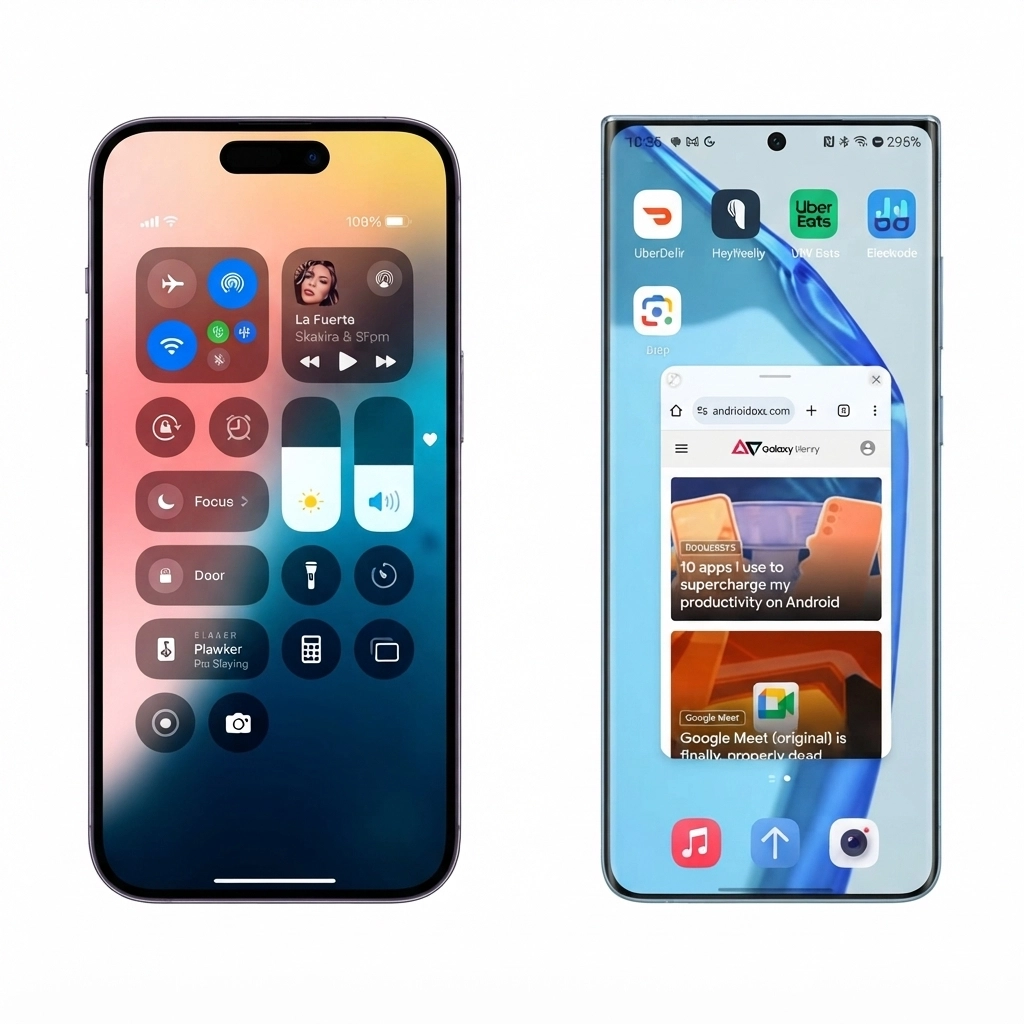
How to Back Up Your Phone Before Switching to a New iPhone or Android
Getting a new phone is exciting, but transferring your data can be the part that causes the most stress. Photos, contacts, messages, documents and account information can be difficult to recover if your old device is wiped before everything has been transferred.
The safest approach is simple: back up first, transfer second and only erase your old phone after you've checked the new one.
Whether you're moving to a new iPhone, switching between Android phones or changing from iPhone to Android, a little preparation can help prevent lost data and account-access problems.
Start with Your Most Important Data
Before switching phones, make a list of anything you cannot afford to lose.
This normally includes photos and videos, contacts, messages, documents, notes, calendars and important app data.
Also think about authentication apps, banking apps and work accounts. Some services require additional verification when you move to a new device, so make sure you still have access to your recovery methods before wiping your old phone.
If you use two-factor authentication, keep your recovery codes available where possible.
Backing Up an iPhone
If you're moving from one iPhone to another, Apple's built-in backup and transfer options make the process relatively straightforward.
Check that your iCloud backup is current or create a backup using a computer. You can also use Apple's device-to-device transfer process when setting up the new iPhone.
Before erasing the old device, open the new phone and check that your key information is present.
Don't only check whether the apps have downloaded. Open important apps and confirm that the information inside them is available.
Backing Up an Android Phone
Android phones can use Google's backup services, although the exact options can vary between manufacturers and models.
Samsung users may also have Samsung-specific transfer and backup tools, while Google Pixel devices use Google's ecosystem.
When moving between Android phones, follow the transfer process during setup and check that contacts, photos, messages and other important information have arrived.
If you use manufacturer-specific backup services, check those separately rather than assuming everything is included in your standard Google backup.
Moving Between iPhone and Android
Switching platforms takes a little more planning.
If you're moving from iPhone to Android, check which information can be transferred automatically and which apps or services need separate attention.
The same applies when moving from Android to iPhone. Photos, contacts and other common data can often be transferred, but some app data, account settings and platform-specific services may require additional steps.
Messaging services, authentication apps, cloud storage and paid apps can all behave differently across platforms.
Don't assume that because your photos transferred, everything else did too.
WhatsApp and Other Messaging Apps
Messaging apps deserve special attention because their backup systems can differ.
Before switching, check the backup settings inside the messaging app itself and follow its recommended transfer process.
If your conversations are important, don't wipe the old phone until you've confirmed they are available on the new device.
This is particularly important when switching between iPhone and Android because the available backup and transfer methods can differ.
Banking and Authentication Apps
This is one of the easiest areas to overlook.
Banking apps may require you to register or verify the new device. Authentication apps can also require a separate transfer or setup process.
Before wiping your old phone, make sure you have a working way to sign in to important accounts.
If you use an authenticator app for two-factor authentication, check whether your accounts can be transferred and keep any recovery codes available.
Being locked out of an important account after moving to a new phone can take much longer to resolve than the actual phone transfer.
Don't Forget Your SIM or eSIM
Your data isn't the only thing that needs to move.
If you're using a physical SIM card, check that it is compatible with your new phone and move it when appropriate.
If you're using an eSIM, follow your network provider's transfer or activation instructions.
Don't delete the eSIM from your old phone until you've confirmed that the new phone can make calls, send messages and use mobile data.
What About Photos?
If you use cloud photo storage, allow enough time for your latest photos and videos to upload.
Check the most recent items on the new phone rather than assuming the backup has completed.
Large photo libraries can take time to transfer, especially on a slower internet connection.
Keep the old phone available until you've confirmed that your important photos and videos are accessible on the new device.
Check Your New Phone Before Wiping the Old One
This is the most important step.
Test calls, mobile data, Wi-Fi, Bluetooth and your main apps. Check your contacts, photos, messages, notes and documents.
If you use your phone for work, confirm that your work email and authentication systems function properly.
Also check your banking apps, messaging services and other accounts that are important to you.
Only once you're satisfied should you factory reset the old phone.
What If Your Old Phone Is Damaged?
If the old phone has a broken screen, charging problem, battery fault or liquid damage, you may still be able to recover the data, but the process can become more complicated.
Don't repeatedly try to charge a device that has serious physical or liquid damage.
If you need access to data on a damaged phone, a professional repair assessment may be worthwhile before attempting risky DIY repairs.
At JD Phones, we can assess damaged iPhones and Android phones and help determine whether a repair could restore access to the device before you replace or reset it.
Final Checklist
Before getting rid of your old phone, back up your data, transfer your photos and contacts, check messaging and authentication apps, verify your SIM or eSIM, test the new device, and confirm that your important accounts work correctly.
Only then should you factory reset the old phone.
A few extra minutes of checking can save you from a much bigger problem later.
Frequently asked questions
Should I back up my phone before changing it?
Yes. Always create or confirm a current backup before transferring or resetting your old device. Check that the backup contains your most important information rather than simply assuming it has completed successfully.
Can I transfer everything from iPhone to Android?
A large amount of information can be transferred, but the exact process depends on the devices and services involved. Some app data, account settings and platform-specific information may need separate handling.
Can I transfer everything from Android to iPhone?
Much of your important information can be transferred during the iPhone setup process, but some apps, settings, and account information may require additional steps. Check the new phone carefully before wiping your old device.
Should I erase my old phone immediately?
No. Keep your old phone until you've checked the new phone and confirmed that your important information, accounts, and services are working correctly.
What should I do if my old phone is broken?
If the phone still works, back it up as soon as possible. If damage prevents access, have the device professionally assessed before attempting risky DIY repairs or resetting it.
Will a factory reset delete my photos?
A factory reset removes data stored on the phone. It does not normally delete copies already stored safely in your cloud backup. However, always verify that your photos and other important files are accessible before resetting the device.
Do I need to transfer my SIM when changing phones?
If you're using a physical SIM, you may need to move it to the new phone. If you're using an eSIM, follow your network provider's transfer process and don't delete the old eSIM until you've confirmed the new phone is working correctly.
What happens to my authentication apps?
Some authentication apps can be transferred or backed up, while others require you to set them up again. Check your important accounts before wiping the old phone and make sure you have access to recovery codes or alternative verification methods.
Repair decisions are easier with the right diagnosis
The right repair starts with a clear diagnosis. If your device is cracked, draining quickly, not charging, overheating, water damaged, or simply unreliable, JD Phones can inspect it, explain your options, and help you choose the repair that makes sense.