
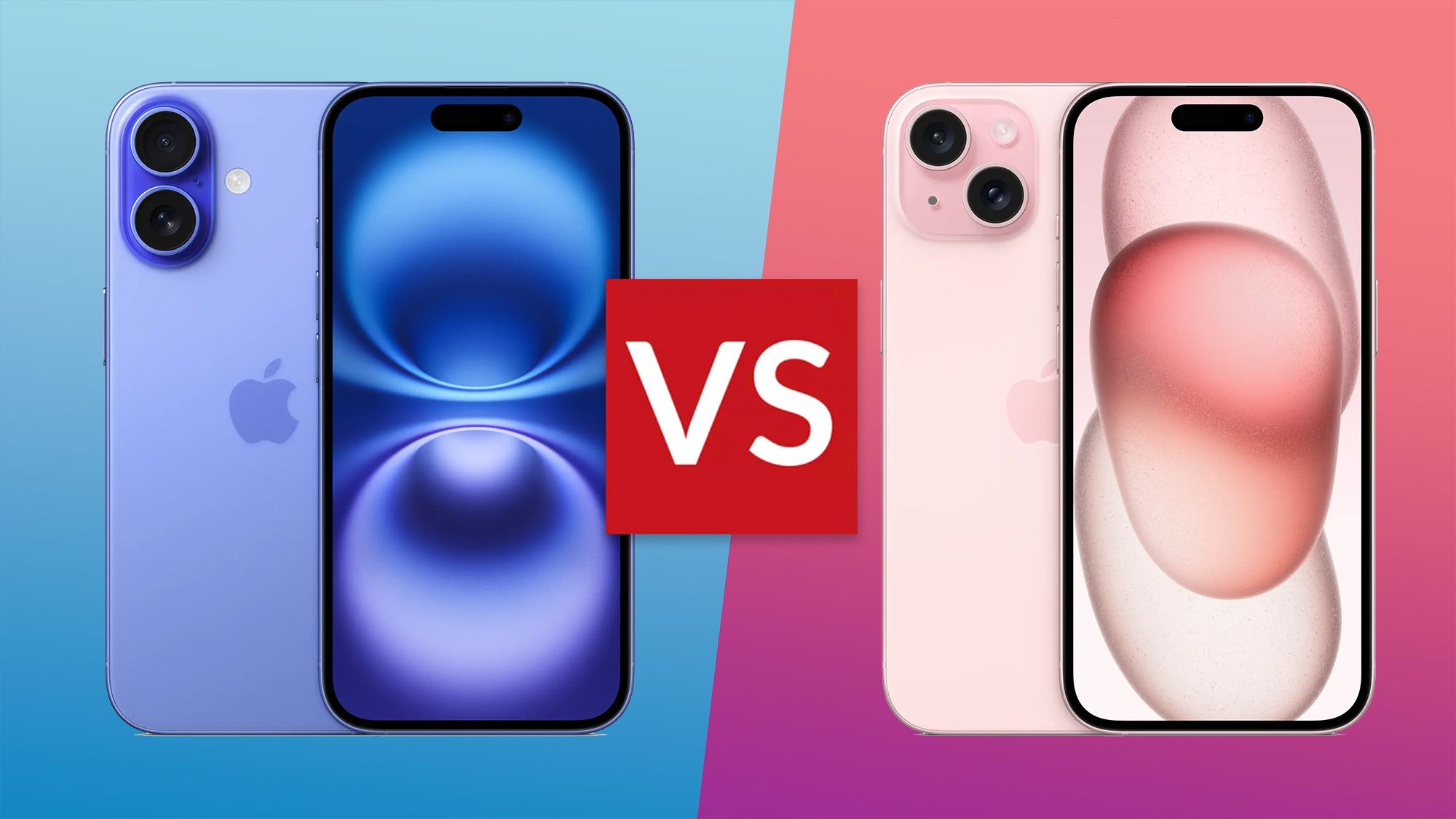
iPhone 15 & 16 Repairs: Common Problems as These Models Start to Age
The iPhone 15 and iPhone 16 are still highly capable phones, but as these models move further into their lifecycles, normal wear is becoming more noticeable. Batteries lose capacity, charging ports collect debris and components that are handled every day can eventually develop faults.
That doesn't necessarily mean it's time to replace the phone. In many cases, the problem is specific, repairable and considerably cheaper to fix than buying another handset. Here's what iPhone 15 and 16 owners should watch for as their devices age.
iPhone 15: Common Problems to Watch For
Battery wear is one of the first things many owners notice as an iPhone gets older. You may find that the phone no longer lasts through the day, the percentage drops faster than expected or performance becomes less consistent when the battery is under heavy load.
Lithium-ion batteries naturally lose capacity through use, so this isn't unique to the iPhone 15. If battery life has become a genuine problem, checking Battery Health is a sensible first step before considering an upgrade.
USB-C charging problems are another area worth watching. The iPhone 15 introduced USB-C across the standard iPhone range, and Apple provides specific repair procedures for the USB-C connector.
Before assuming the port itself needs replacing, however, it's worth checking for dust, lint or debris that may be preventing the cable from making proper contact. A professional inspection can determine whether cleaning is sufficient or whether the connector has actually been damaged.
Display and touch problems can also appear after accidental drops. A phone doesn't need to have a visibly shattered screen for an impact to cause display or touch-related problems. If a particular section of the touchscreen becomes unreliable, it's worth having the device diagnosed rather than assuming it will correct itself.
iPhone 16: Common Problems to Watch For
The iPhone 16 shares many of the same ageing-related issues as the 15, particularly battery and charging concerns.
Battery degradation becomes increasingly relevant as the phone accumulates charge cycles. If you're charging much more frequently than you used to or experiencing unexpected shutdowns, a battery assessment can help determine whether normal wear is responsible.
Camera Control is a notable difference. Introduced with the iPhone 16, the dedicated control provides quick access to the camera and related functions. Because it is a separate physical control, problems with responsiveness or operation should be diagnosed rather than automatically dismissed as general phone ageing.
USB-C charging issues can occur here too. The connector is a mechanical component that is repeatedly connected and disconnected, so everyday wear and debris can eventually affect charging reliability.
Apple's repair documentation specifically covers the iPhone 16's USB-C connector, battery, display, camera and button-related troubleshooting, highlighting just how many individual components can be assessed when a fault develops.
Not Every Problem Means You Need a New Phone
It's easy to mistake an ageing component for a reason to upgrade the entire device. A phone that suddenly needs charging twice a day may simply need a battery. A charging problem may turn out to be debris in the port rather than a failed component.
That's why diagnosis matters.
Apple's current repair system also supports Repair Assistant for various replacement components on iPhone 15 and 16 models, allowing supported repairs to be completed and parts calibrated correctly.
Repair or Upgrade?
For a phone with one straightforward fault, repair will often make more financial sense than replacement. A battery that's lost capacity doesn't mean the rest of the iPhone has reached the end of its useful life.
Repair becomes less attractive when several expensive problems have appeared at the same time, particularly if the device also has significant frame, back-glass or liquid damage. At that point, comparing the total repair cost with the phone's current value and your expected future use is sensible.
The age of the phone matters too, but so does its overall condition. An otherwise excellent iPhone 15 with a tired battery can be a much better candidate for repair than a heavily damaged device with several unrelated faults.
Choose the Repair Carefully
Modern iPhones aren't simply a collection of interchangeable parts. Apple provides specific repair manuals and calibration procedures for these generations, and some components need to be properly configured after replacement.
If you're having a camera or other major component replaced, part quality matters too. Apple notes that genuine parts and appropriate repair processes are important for proper performance, particularly with camera components.
A good repairer should explain what has failed, what needs replacing and what your options are before carrying out the work.
The Bottom Line
The iPhone 15 and 16 are nowhere near automatically "too old" simply because they're no longer brand new. Battery wear, charging problems and individual component faults are normal parts of a phone's lifecycle and, in many cases, can be fixed without replacing the handset.
If your iPhone is still doing everything you need but one particular problem is holding it back, getting an accurate diagnosis is usually the best place to start.
Having problems with an iPhone 15 or 16? Get in touch with JD Phones in Newcastle, Sunderland or Heaton, or use our UK-wide mail-in repair service for free diagnostics and honest repair advice.
Frequently asked questions
Why is my iPhone 15 battery draining faster than before?
Battery capacity naturally decreases as a lithium-ion battery goes through charging cycles. If your iPhone 15 no longer lasts as long as it once did, check Battery Health first. If the capacity has fallen significantly or the reduced battery life is affecting everyday use, a replacement may restore much of the phone's original battery performance.
Can an iPhone 15 or 16 USB-C charging port be repaired?
Yes. Apple provides repair procedures for the USB-C connector on both the iPhone 15 and iPhone 16. However, charging problems don't automatically mean the connector needs replacing. Dust or debris can sometimes prevent a reliable connection, so the port should be inspected before replacing anything.
My iPhone 16 Camera Control isn't working properly. What should I do?
Camera Control is a dedicated hardware feature on the iPhone 16. If it feels unresponsive or doesn't behave as expected, check for obvious physical obstruction and software issues first. If the problem continues, professional diagnosis can determine whether there is a hardware fault.
Will a replacement part work normally after an iPhone repair?
Some supported iPhone 15 and 16 repairs require Apple's Repair Assistant to complete calibration after a replacement. Apple currently supports Repair Assistant for several components, including batteries and displays, on these models. This is one reason choosing a repairer familiar with modern iPhone repair procedures matters.
Should I repair my iPhone 15 or 16 instead of upgrading?
If the phone has one isolated problem and is otherwise in good condition, repair is often worth considering. A battery, charging or display issue doesn't necessarily mean the entire phone needs replacing. If multiple major faults are present, compare the total repair cost with the phone's current condition and value before deciding.
Does using genuine parts matter?
It can. Apple states that genuine parts are designed and tested for its devices, and certain repairs may require calibration or verification. Ask your repairer what type of part will be used and whether the repair includes the necessary post-repair checks.
Repair decisions are easier with the right diagnosis
The right repair starts with a clear diagnosis. If your device is cracked, draining quickly, not charging, overheating, water damaged, or simply unreliable, JD Phones can inspect it, explain your options, and help you choose the repair that makes sense.